

The Academy of Mobility Humanities at Konkuk University (Director: Inseop Shin) has renewed its Memorandum of Understanding (MOU) for mutual cooperation with the Centre for the GeoHumanities at Royal Holloway, University of London.
Royal Holloway is a distinguished UK university, ranked 32nd in The Times and The Sunday Times‘ Good University Guide 2026. Its Centre for the GeoHumanities is internationally recognized for its pioneering research at the intersection of geography and the humanities, with particular strengths in mobility, environment, and urban space. Since signing their first agreement in 2019, the Academy of Mobility Humanities and the Centre for the GeoHumanities have maintained sustained collaboration through continuous exchanges of scholars, research resources, and academic expertise.
The renewal of this MOU is expected to further strengthen the global research network of the Academy of Mobility Humanities and to contribute to advancing its Infrastructure Humanities agenda through joint research projects, the co-organization of academic conferences, researcher exchange programs, and the publication of journals and monographs.
The Academy of Mobility Humanities (AMH) has received the highest possible rating, “Excellent,” in the comprehensive evaluation of the Humanities Korea Plus (HK+) Program (2018–2025), administered by the Ministry of Education and the National Research Foundation of Korea.
The HK+ Program is a national initiative designed to foster world-class humanities research institutes and to promote the social and international dissemination of humanities scholarship. Since its selection in 2018, AMH has systematically established Mobility Humanities as a new interdisciplinary field over the past seven years, extending its research outcomes into education and public engagement while leading new trends in humanities research both domestically and internationally.
The evaluation committee noted that AMH “has laid the groundwork for becoming a research hub by deepening and expanding Mobility Humanities both academically and socially,” and praised as “an exceptionally outstanding achievement” the publication of numerous articles in leading international journals.
During the first phase of the HK+ project (2018–2020), AMH focused on building the theoretical foundations of Mobility Humanities. In the second phase (2021–2025), it emphasized the practical application and dissemination of theory through collaboration with diverse academic fields and social sectors. As a result, AMH’s international journal Mobility Humanities was indexed in Scopus in 2024, and a total of 62 volumes in the Mobility Humanities book series were planned and published. In addition, AMH has established a robust international research network by hosting the Global Mobility Humanities Conference (GMHC) annually, bringing together approximately 100 scholars from more than 20 countries each year for active academic exchange, including collaborative research and seminars.
Major Achievements
Following the successful completion of the HK+ project this April, AMH was newly selected for the Humanities Korea 3.0 (HK3.0) Program under the agenda of Infrastructure Humanities, laying the foundation for further expansion of Mobility Humanities research. The “Excellent” rating formally recognizes both the academic potential and social value of Mobility Humanities and is expected to serve as an important basis for the advancement of the HK3.0 project.
Director Inseop Shin remarked, “This result is the culmination of the unwavering dedication of all Institute members over the past seven years,” adding, “Through the HK3.0 project, we will continue to expand the horizons of the humanities by advancing the new agenda of Infrastructure Humanities.”
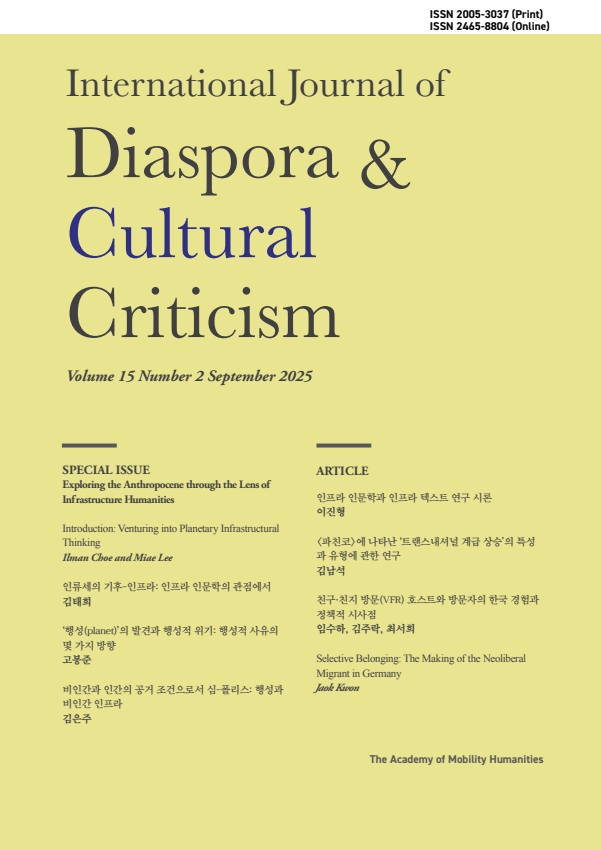
The international academic journal International Journal of Diaspora & Cultural Criticism (hereafter IDCC), published by the Academy of Mobility Humanities at Konkuk University, has been confirmed to retain its status as a KCI-indexed journal following the 2025 Journal Reaccreditation Review conducted by the National Research Foundation of Korea (NRF). Since its initial selection as a newly indexed journal in 2022, IDCC has once again demonstrated its stability and scholarly excellence by receiving consistently high evaluations across all assessment categories in this latest review.
IDCC is an international, peer-reviewed journal that examines key issues in contemporary society—such as cultural criticism, deterritorialization, identity, and community—through an interdisciplinary lens, with a particular focus on diaspora and multiculturalism. Drawing on cases from Asia and other regions, the journal has continuously expanded its research scope while actively engaging with global academic discourse.
In this evaluation, IDCC received high marks for the academic rigor of its published articles, the expertise of its editorial board, the integrity and rigor of its peer-review process, the overall coherence of journal organization, and its systematic efforts to strengthen research ethics. Reviewers offered particularly positive assessments of the journal’s overall management and its scholarly contributions.
In addition, IDCC has pursued substantive academic activities through themed issues and collaborations with academic conferences. Centered on diaspora studies, the journal has broadened its theoretical spectrum by engaging with contemporary issues such as mobility, transnational networks, immobility, and de-globalization. These achievements demonstrate that IDCC functions as an open and critical platform that addresses a wide range of pressing issues through the lens of diaspora discourse.
The Institute of Mobility Humanities will continue to strengthen IDCC as an international hub for research on diaspora and cultural criticism, further enhancing its role as an academic platform that actively incorporates voices from non-Western regions and contributes to global scholarly exchange.
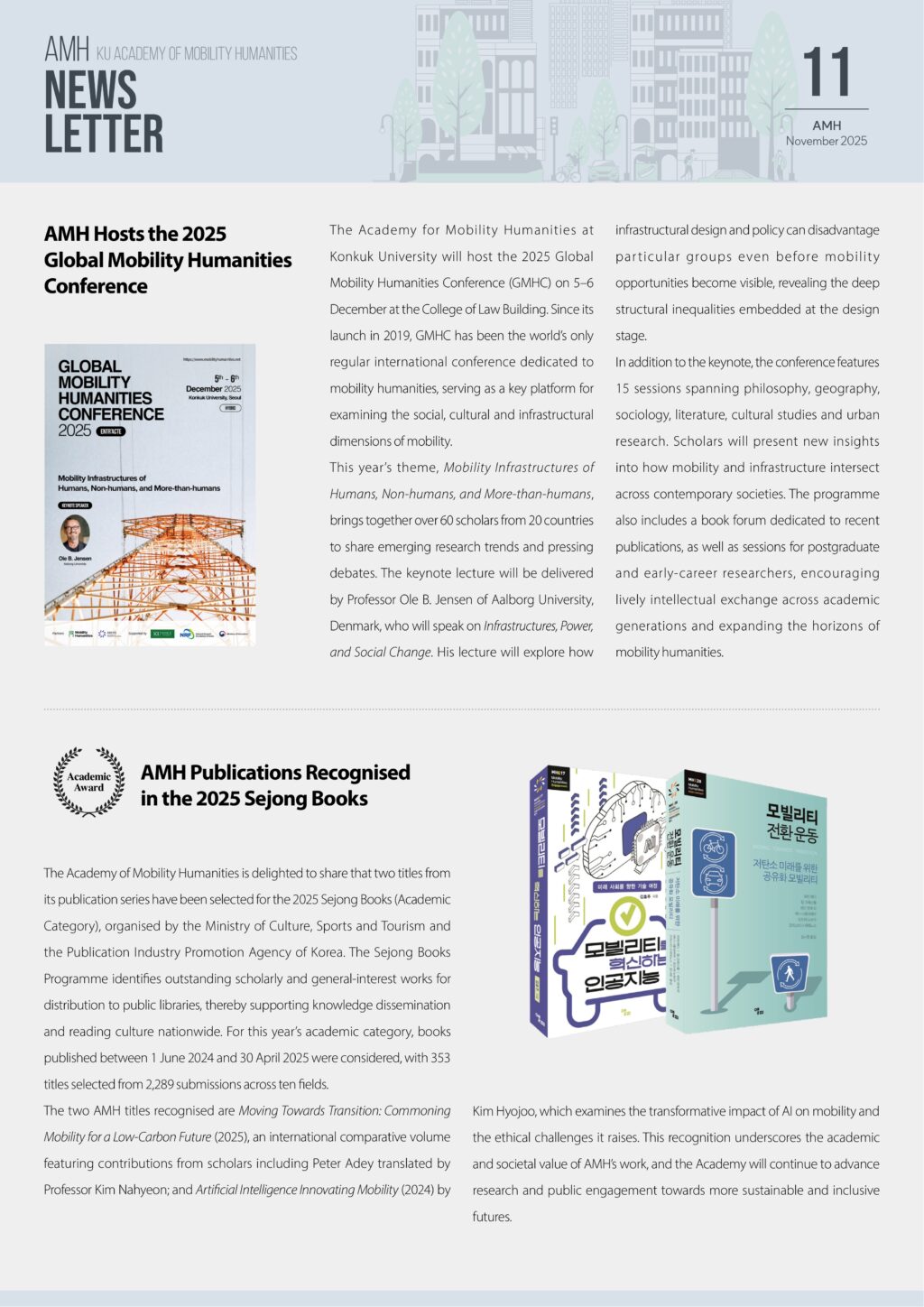
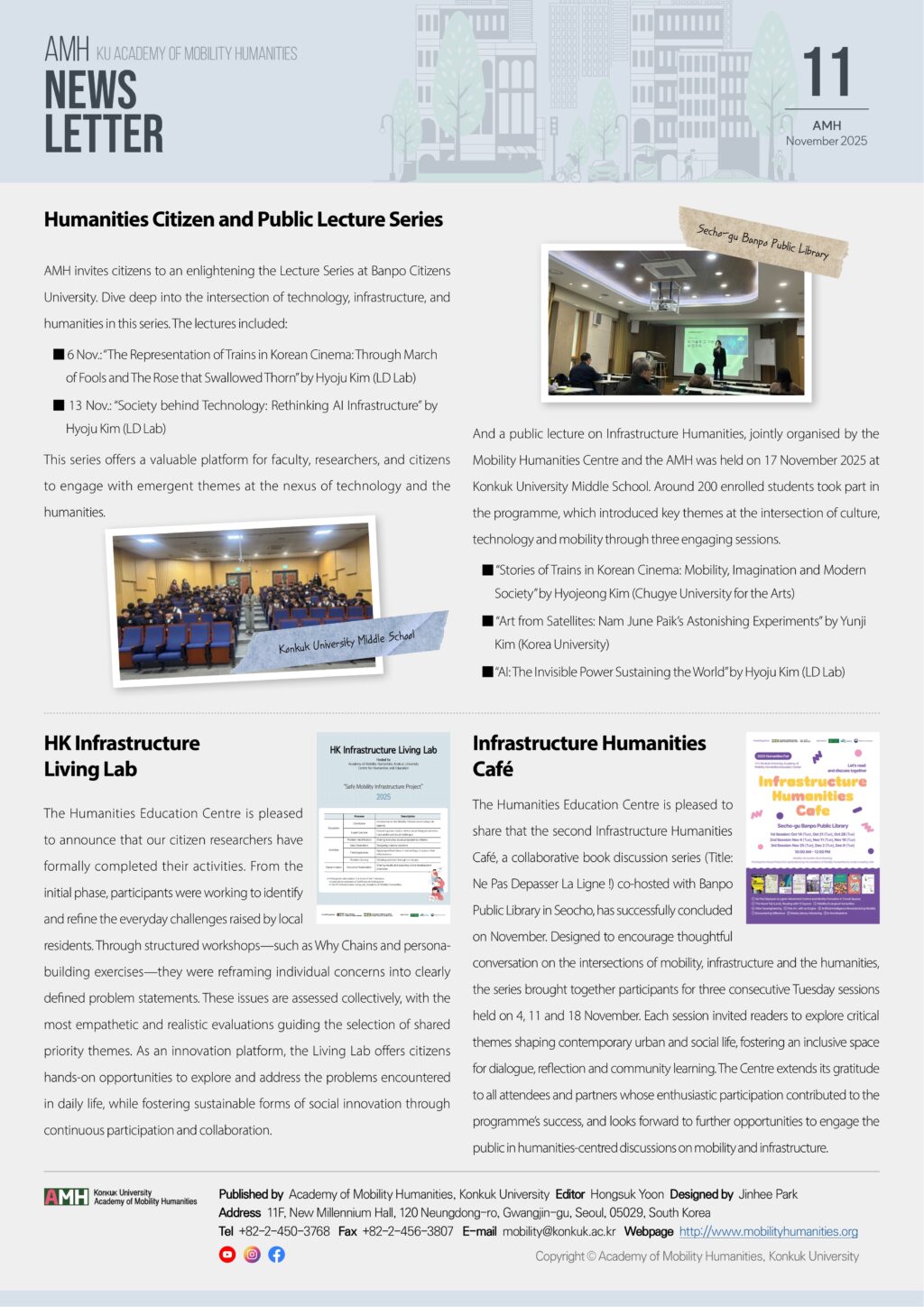
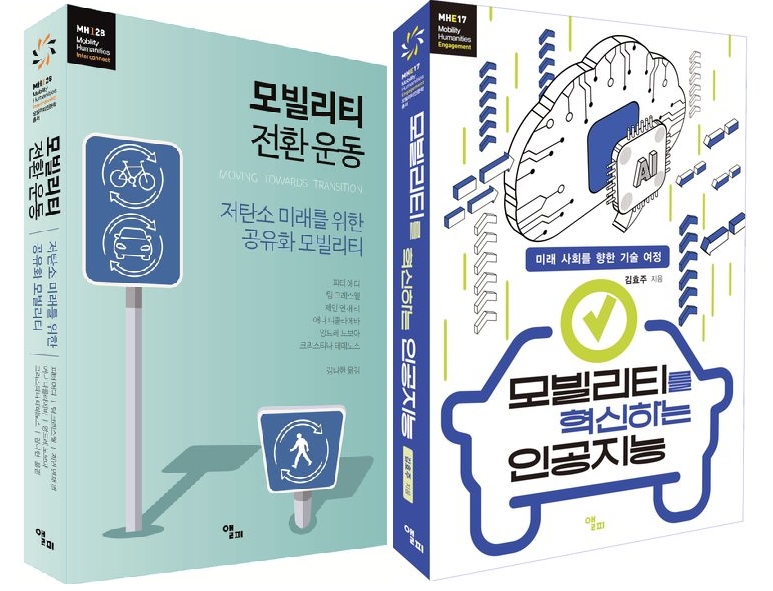
Two titles from the Academy for Mobility Humanities’ publication series have been selected for the 2025 Sejong Books (Academic Category), organized by the Ministry of Culture, Sports and Tourism and the Publication Industry Promotion Agency of Korea.
The Sejong Books Program selects outstanding academic and general-interest publications to distribute to public libraries with the aim of promoting knowledge dissemination and reading culture. For this year’s academic category, books first published between June 1, 2024, and April 30, 2025, were eligible. Out of 2,289 submissions across ten disciplines—including humanities, social sciences, and natural sciences—353 titles were ultimately selected.
The selected titles from AMH are as follows:
Moving Towards Transition: Commoning Mobility for a Low-Carbon Future (2025)
This volume presents the results of an international comparative research project featuring contributions from scholars such as Peter Adey and other international researchers. Translated by Professor Kim Nahyeon (Yong In University), the book examines policies and case studies from 14 countries and international organizations (including the EU and UN), proposing directions for sustainable mobility transitions and global cooperation.
Artificial Intelligence Innovating Mobility (2024)
Authored by Kim Hyojoo, CEO of L.D. Lab, this book explores how AI technologies are transforming the mobility industry while introducing new ethical challenges. It discusses issues such as social inequality, the ethics of autonomous driving, and the societal impacts of AI, emphasizing the importance of human-centered AI literacy and inclusive technological development.
This recognition highlights the scholarly and social significance of AMH’s research. Moving forward, the Academy for Mobility Humanities will continue to advance research and knowledge sharing efforts that promote sustainable futures and the expansion of social value.
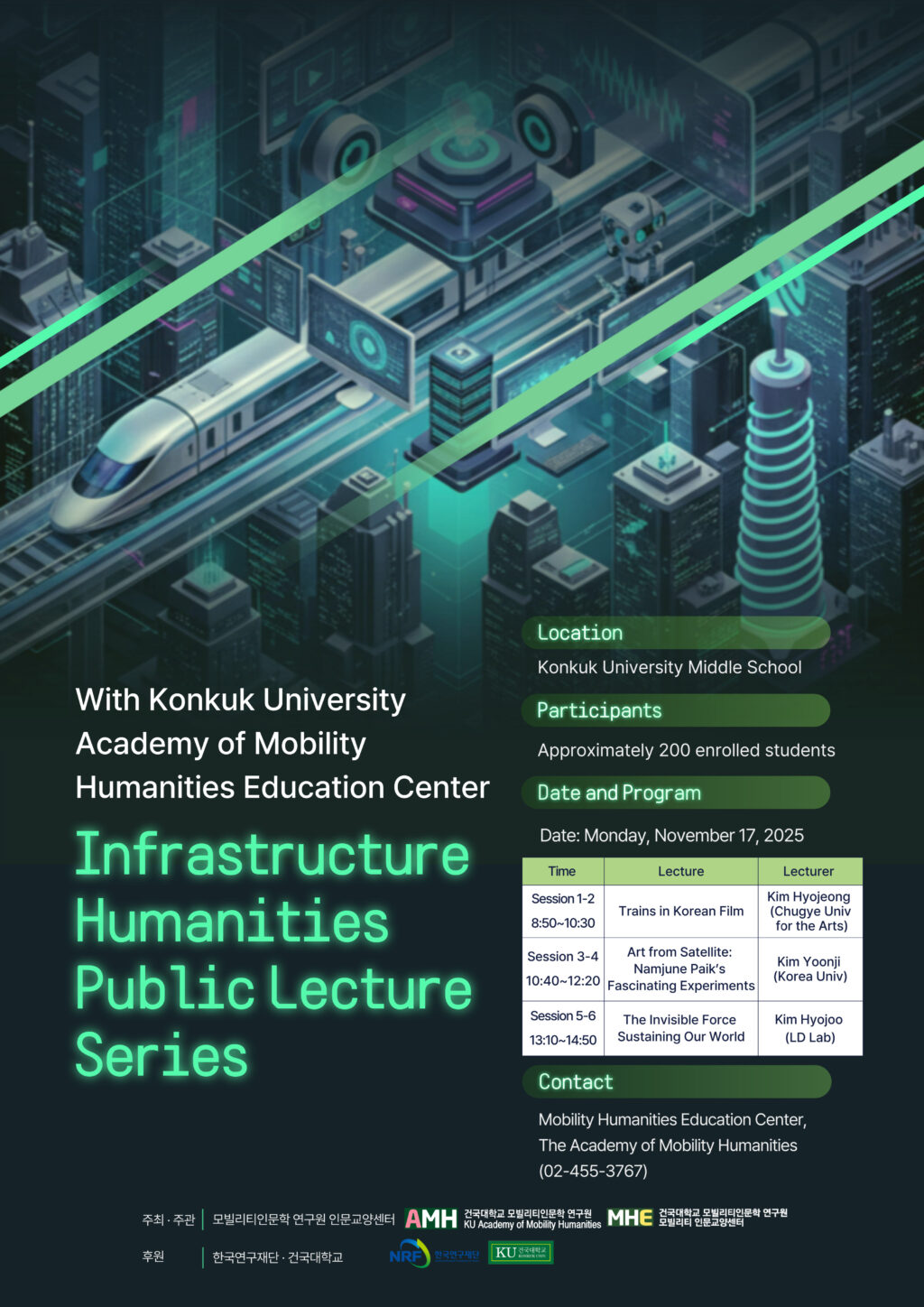
Venue: Konkuk University Middle School
Participants: Approximately 200 enrolled students
Date: November 17, 2025 (Monday)
Program:
Course 1–2: Stories of Trains in Korean Cinema / Kim Hyojeong (Chugye University for the Arts)
Course 3–4: Art from Satellites: Nam June Paik’s Astonishing Experiments / Kim Yunji (Korea University)
Course 5–6: AI: The Invisible Power Sustaining the World / Lecturer: Kim Hyojoo (LD Lab)
Inquiries: Mobility Education Centre, Academy for Mobility Humanities (02-455-3767)

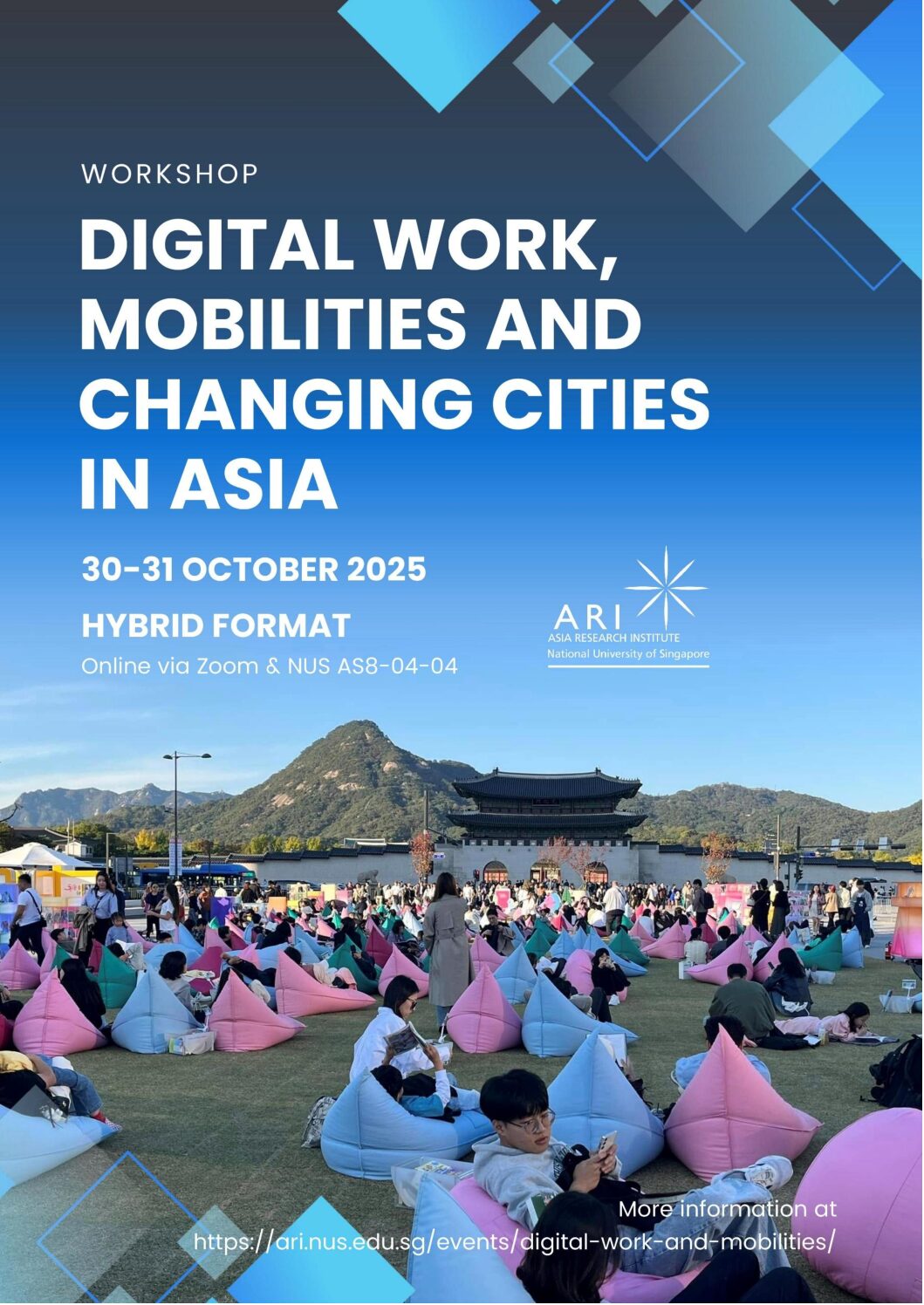
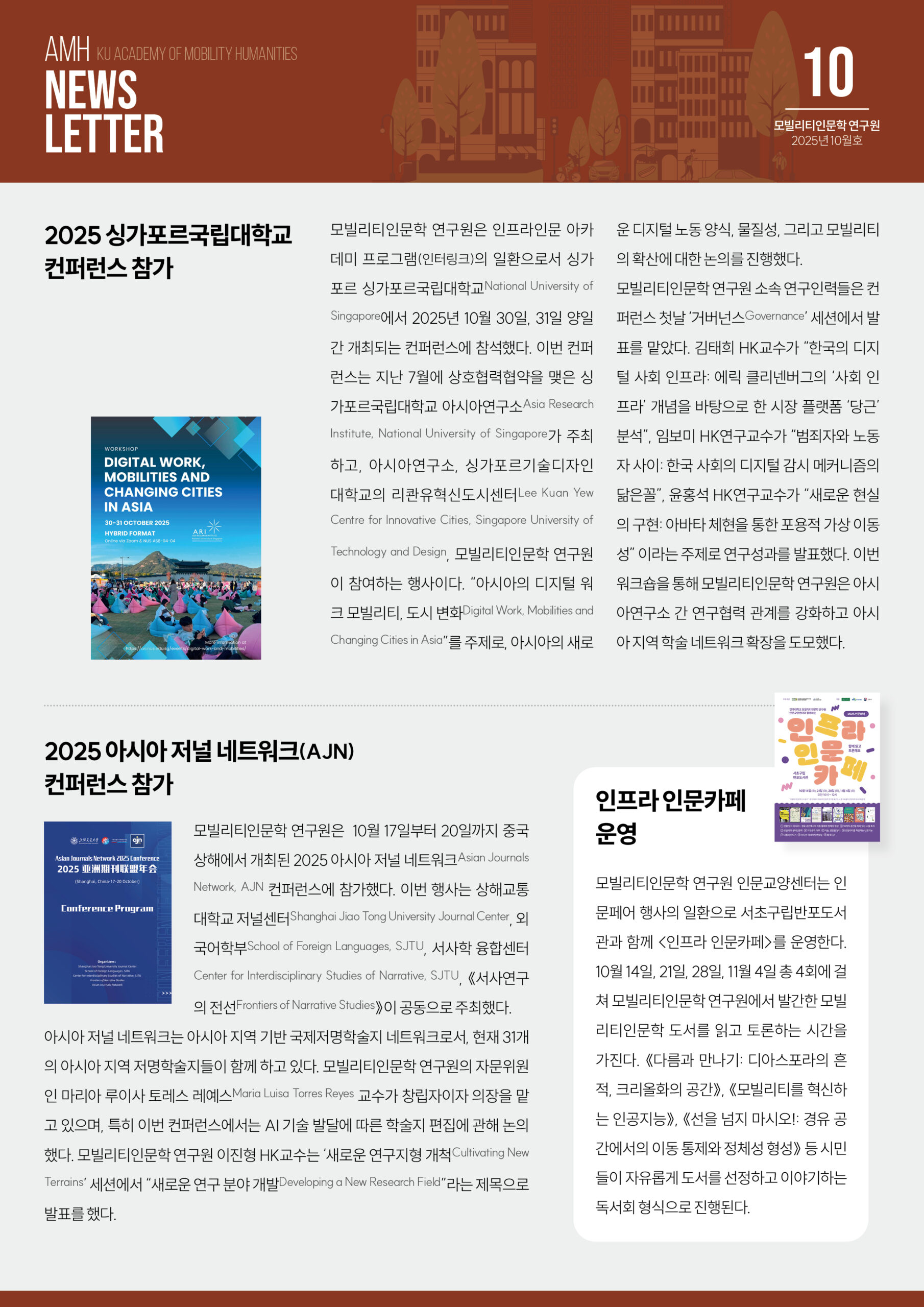
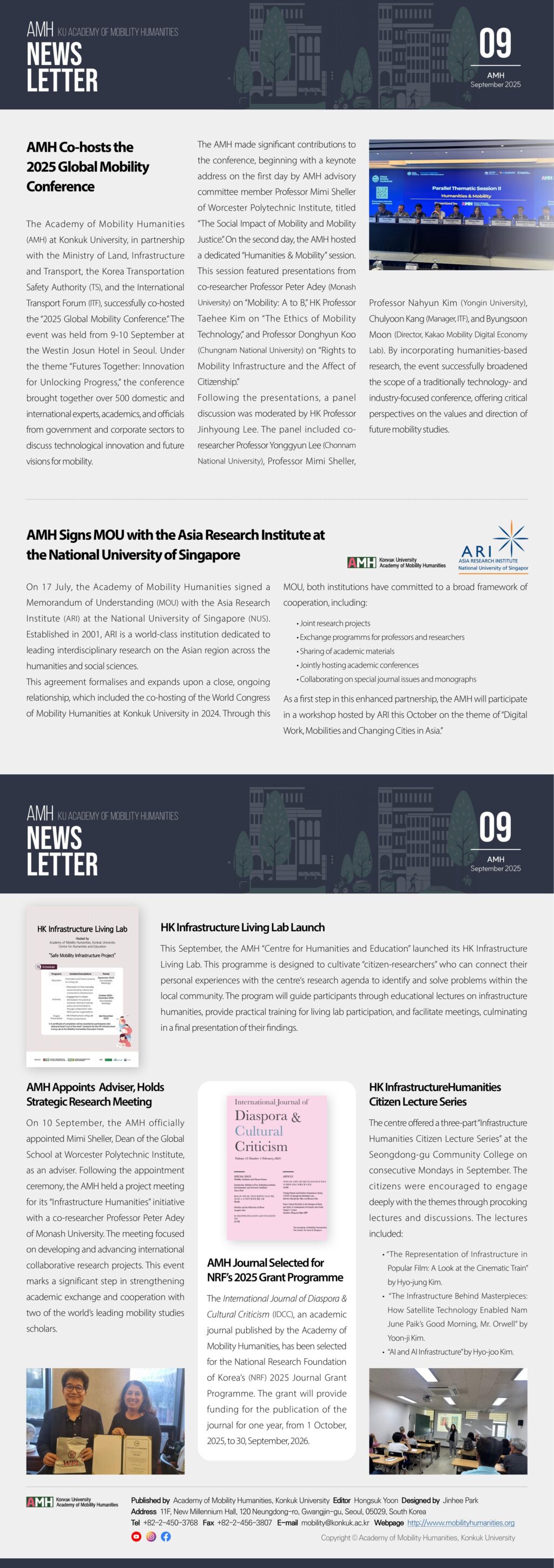
As part of the Infrastructure Humanities Academy Program (Interlink), the Academy of Mobility Humanities (AMH) participated in a conference held at the National University of Singapore (NUS) on October 30–31, 2025.
The event was organized by the Asia Research Institute (ARI), NUS, which signed a Memorandum of Understanding (MOU) with AMH in July 2025. It was co-hosted by ARI, the Lee Kuan Yew Centre for Innovative Cities at the Singapore University of Technology and Design (SUTD), and the Institute for Mobility Humanities.
Under the theme “Digital Work, Mobilities, and Changing Cities in Asia,” the conference explored the emerging forms of digital labor, materiality, and the proliferation of mobility across Asian contexts.
Researchers from AMH presented their work in the “Governance” session on the first day:
Through this workshop, AMH strengthened its research collaboration with ARI and expanded its academic network across Asia.

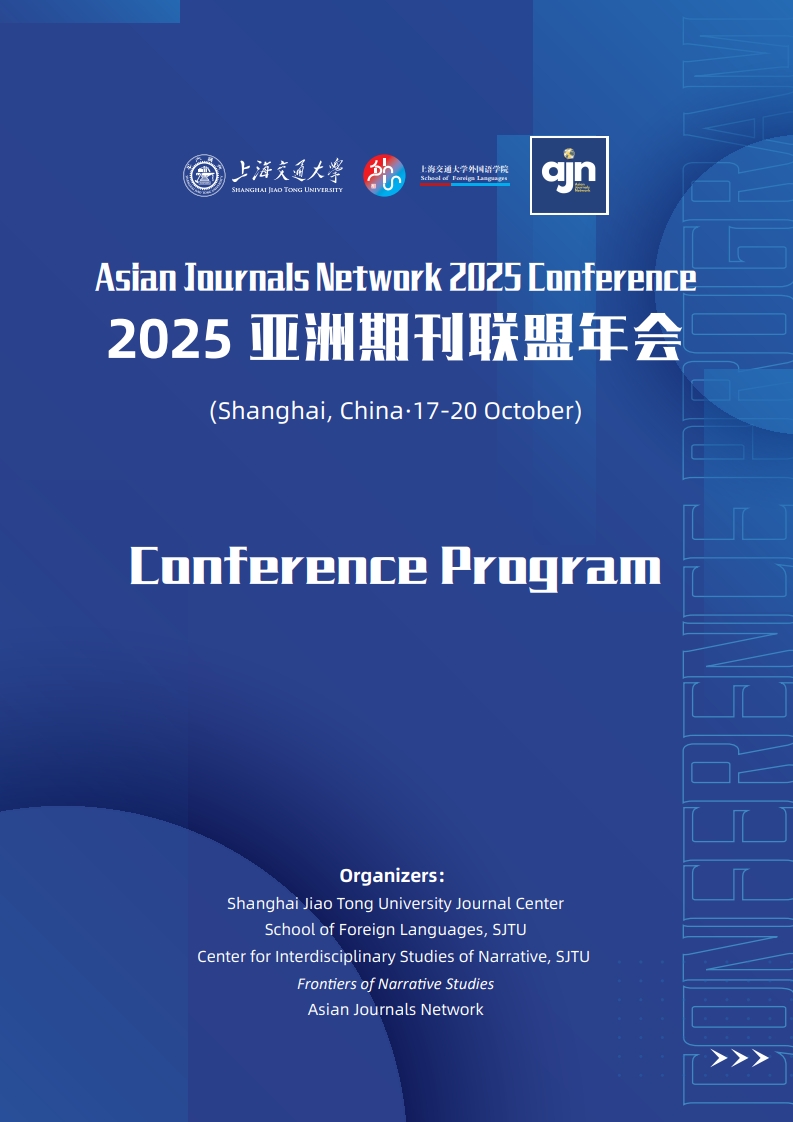
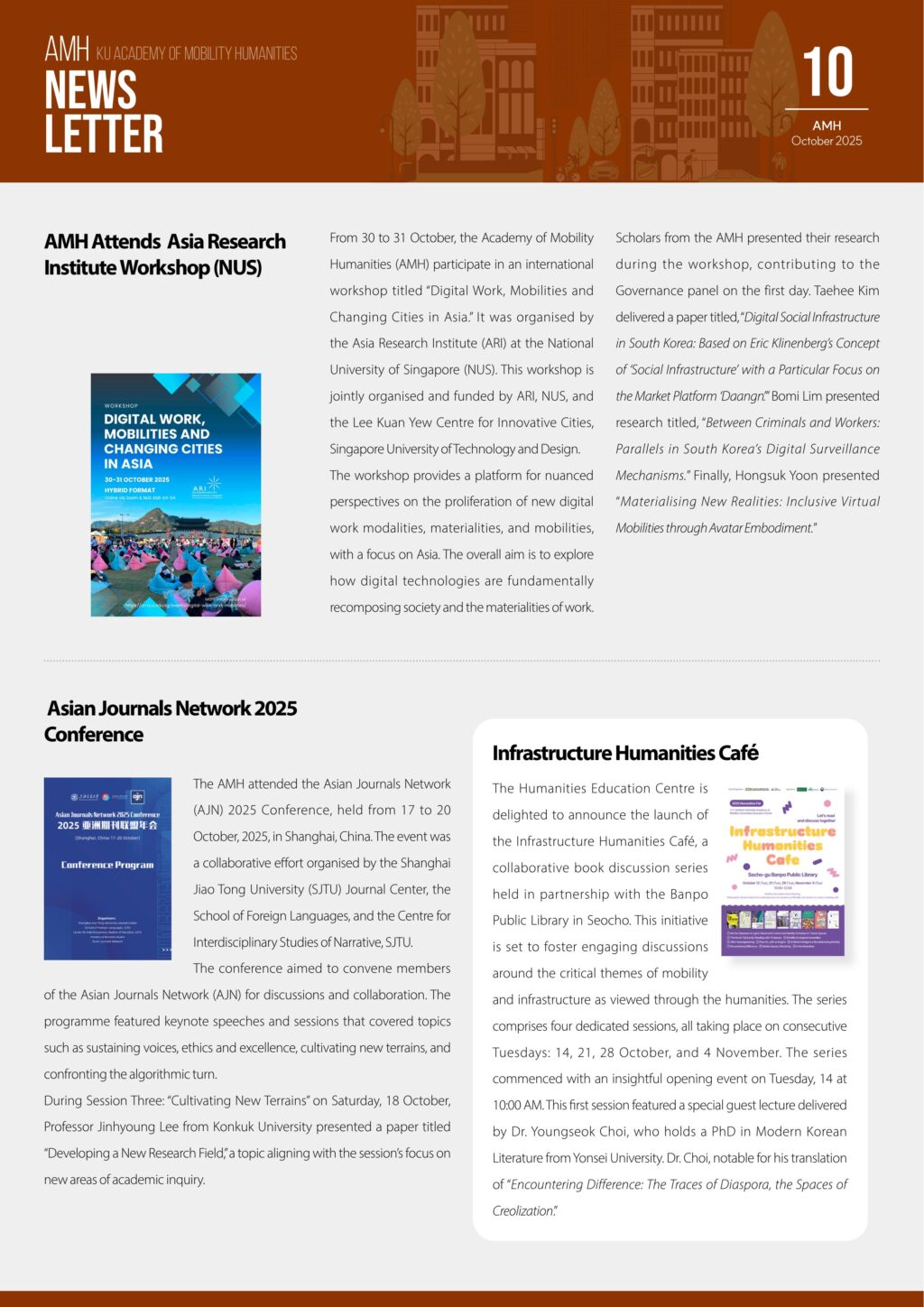
The Academy of Mobility Humanities (AMH) participated in the 2025 Asian Journals Network (AJN) Conference, held in Shanghai, China, from October 17 to 20, 2025.
The event was co-hosted by the Journal Center and the School of Foreign Languages at Shanghai Jiao Tong University (SJTU), the Center for Interdisciplinary Studies of Narrative (SJTU), and the journal Frontiers of Narrative Studies.
The Asian Journals Network (AJN) is a coalition of prominent academic journals based in Asia, currently consisting of 31 leading journals from across the region. Professor Maria Luisa Torres Reyes, a member of the AMH advisory board, serves as the founder and chair of AJN.
This year’s conference focused on discussions surrounding academic journal editing in the age of AI technologies.
Professor Jinhyoung Lee (HK Professor, AMH) presented a paper titled “Developing a New Research Field” in the session “Cultivating New Terrains,” exploring emerging directions in interdisciplinary research.

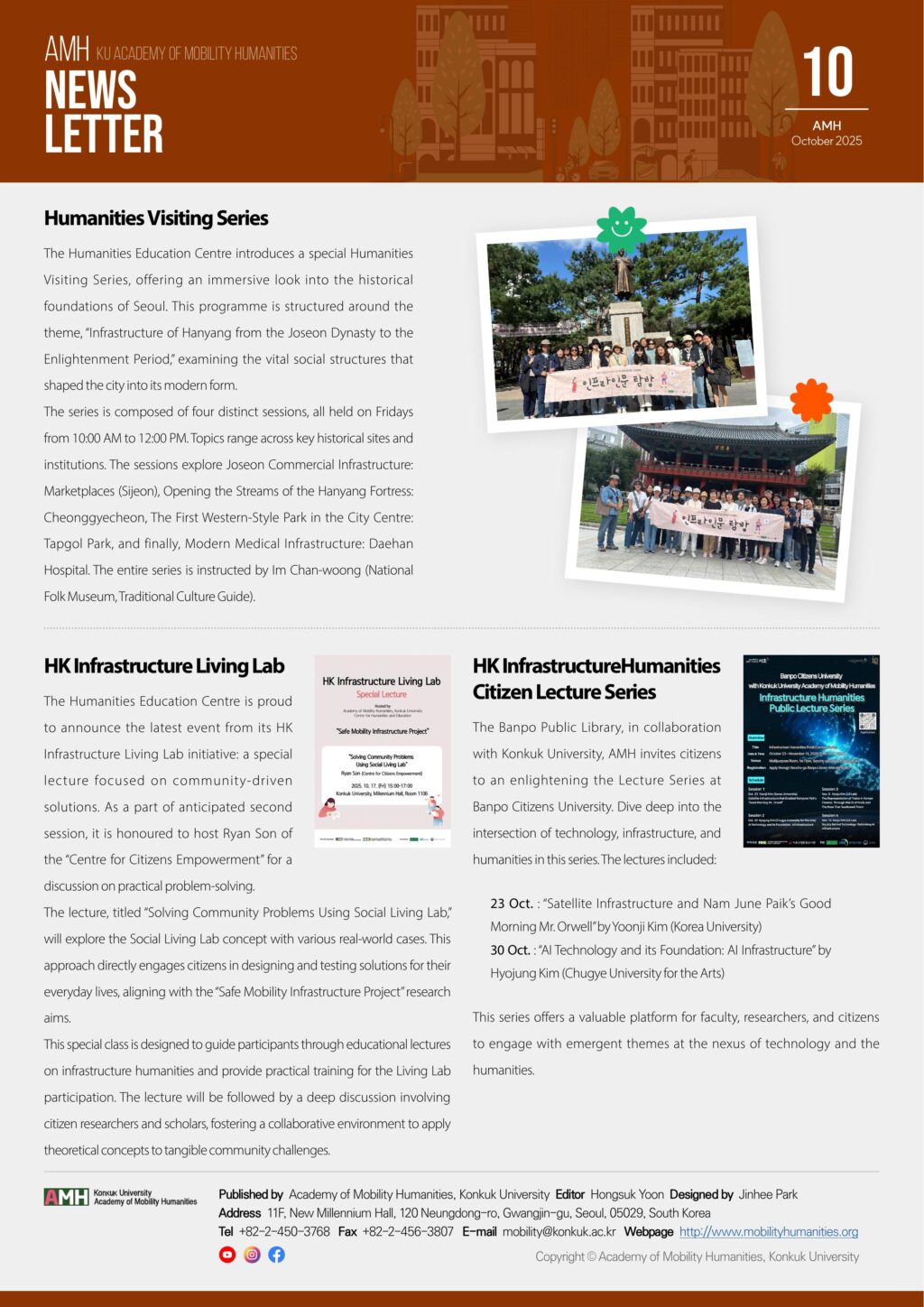
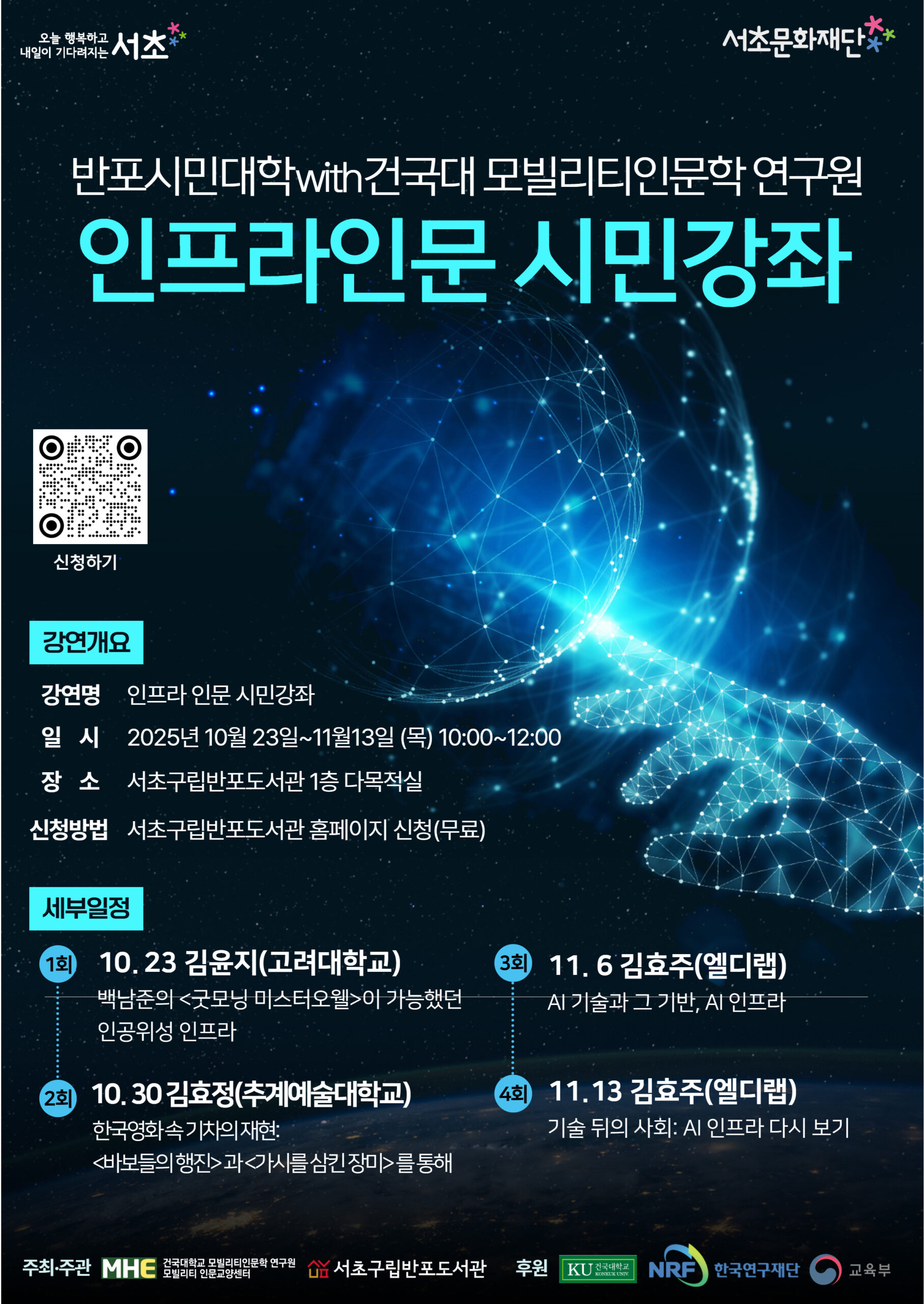
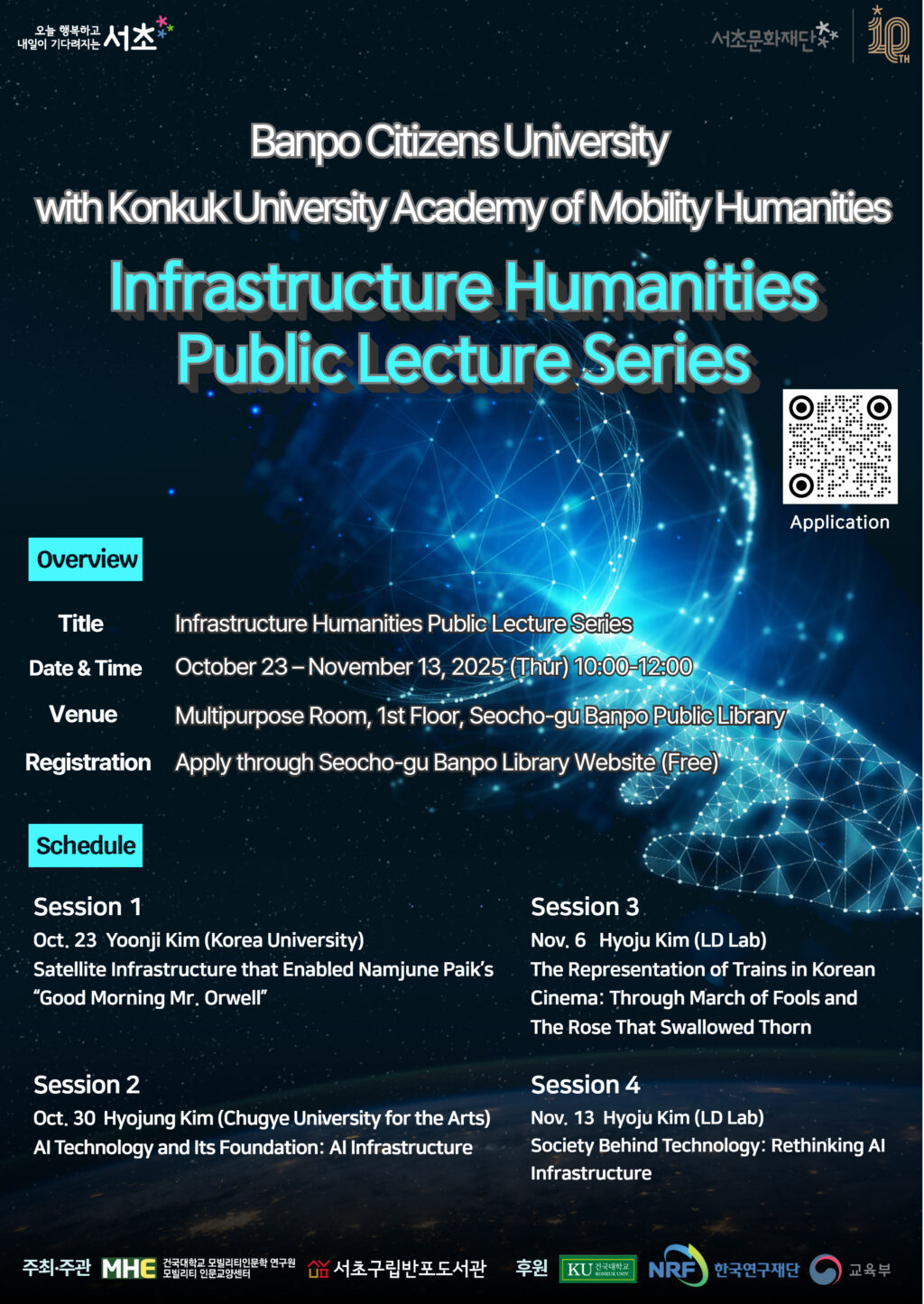
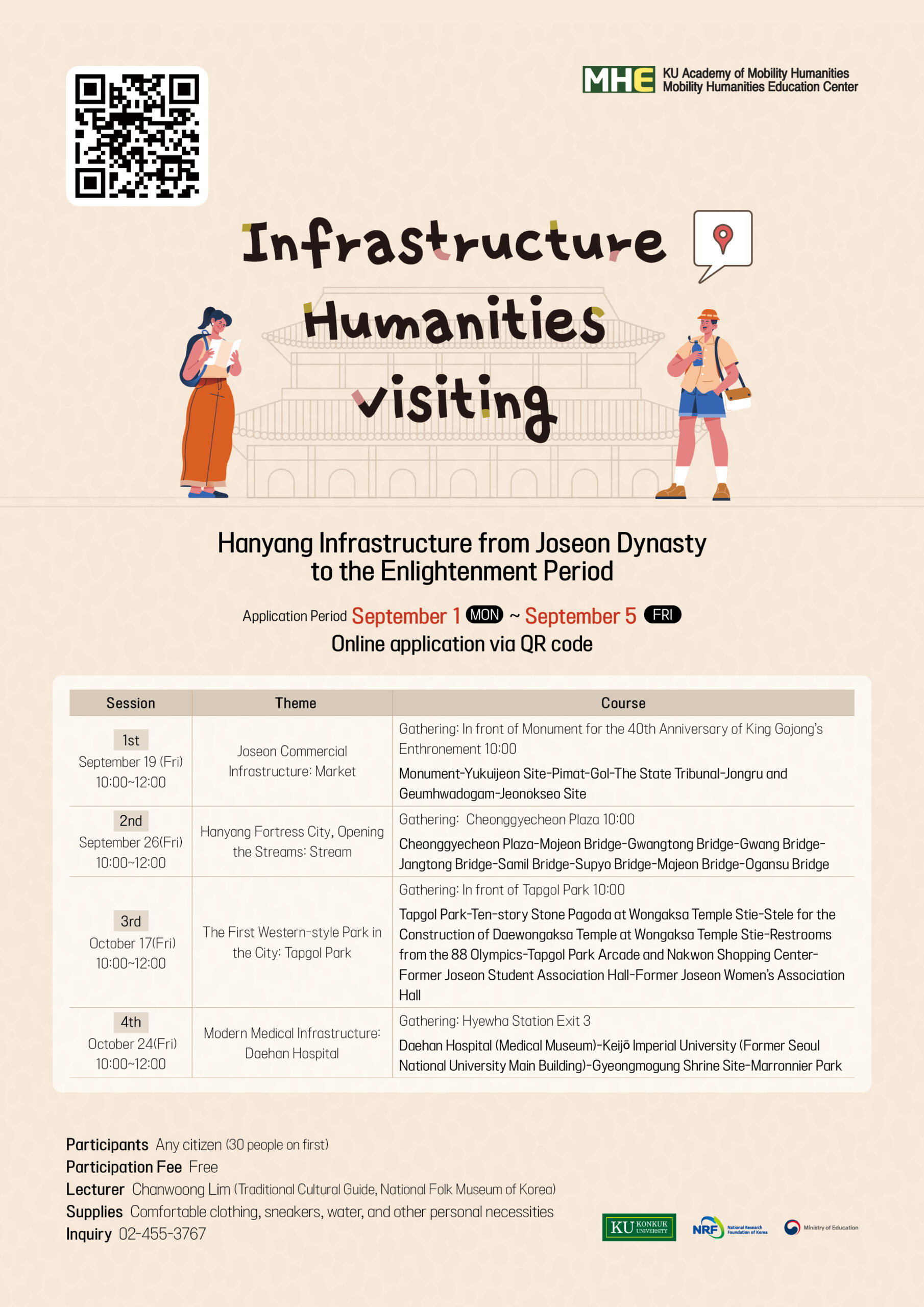
Date: October 23 (Thu) – November 13 (Thu), 2025, 10:00 AM – 12:00 PM
Venue: Multipurpose Hall, 1st Floor, Seochogu Banpo Library
Registration: Apply via the Banpo Library website (Free) https://www.seocholib.or.kr/Cultural/CulturalDetail/2508/2
Session 1 October 23 (Thu)
Lecturer: Kim Yoonji (Korea University)
The Satellite Infrastructure that Made Nam June Paik’s “Good Morning, Mr. Orwell” Possible
Session 2 October 30 (Thu)
Lecturer: Kim Hyojeong (Chugye University for the Arts)
The Representation of Trains in Korean Cinema: Through “March of Fools” and “A Rose with Thorns”
Session 3 November 6 (Thu)
Lecturer: Kim Hyojoo (LD Lab)
AI Technologies and Their Foundations: The Infrastructure of Artificial Intelligence
Session 4 November 13 (Thu)
Lecturer: Kim Hyojoo (LD Lab)
The Society Behind Technology: Rethinking AI Infrastructure