


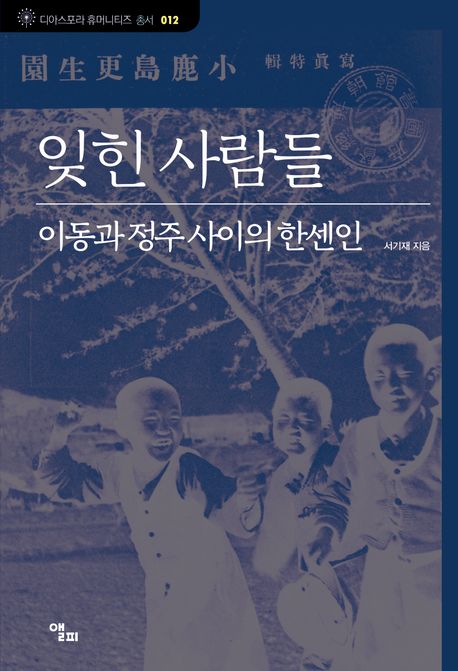
Diaspora Humanities Series, Vol. 12
This book traces and analyzes the issue of the right to mobility—one of the most visible yet vulnerable human rights today—by focusing on people affected by Hansen’s disease during the Japanese colonial period in Korea. An effective antibiotic treatment for Hansen’s disease, Promin, was developed in 1941, the same year Japan entered the Pacific War. Given that people with Hansen’s disease had long been subjected to extreme stigma, hatred, and segregation, one can readily imagine the suffering they endured under Japanese colonial rule.
Under the double discrimination of being both patients and colonized subjects, people with Hansen’s disease were systematically deprived of their right to mobility. Moving beyond a simple binary opposition between Japanese perpetrators and Korean victims (Hansen’s disease patients), this book sheds light on the longer history of hardship and struggle experienced by Hansen’s disease patients, who had been discriminated against and stripped of mobility long before the colonial period, and examines their persistent efforts to survive and resist.